Targeted relief of muscle pain and improved mobility
At Physio-Mob in Etoy (Vaud), we offer dry needling, an advanced therapeutic approach aimed at treating myofascial trigger points (painful areas of muscle tension). This method complements physiotherapy treatments to optimise your muscle recovery and mobility.
What is dry needling?
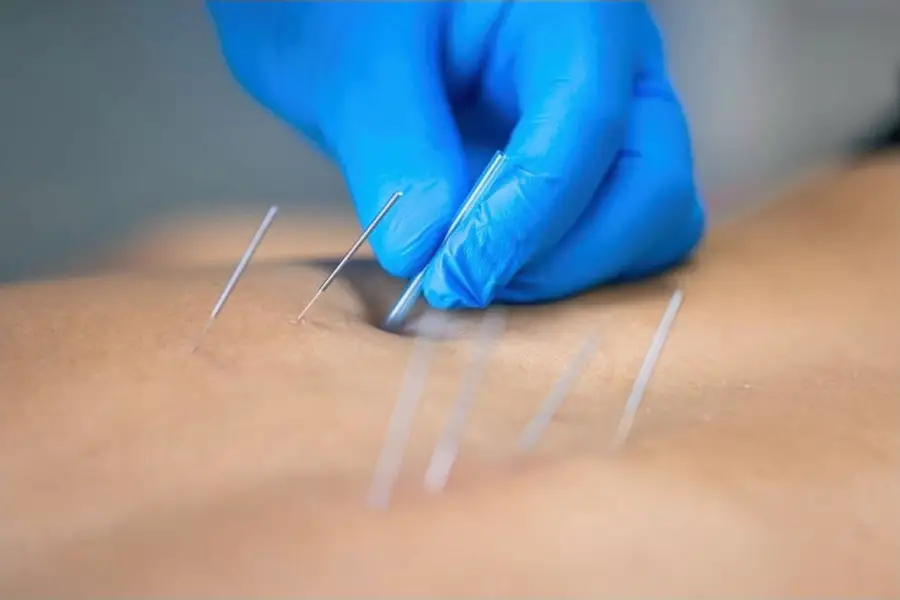
Dry needling involves inserting fine, sterile needles directly into identified trigger points in muscles and fascia, without injecting any medication. This stimulation promotes muscle relaxation, improves local circulation and helps reduce pain.
Common indications
- chronic or acute muscle pain
- muscle stiffness and spasms
- mobility issues
- sports preparation or recovery
- localised myofascial pain
Dry needling is generally incorporated into a comprehensive treatment plan, combined with other physiotherapy techniques for lasting results.
Safety and training
This technique is practised by our trained physiotherapists, who adhere to strict hygiene and safety standards in accordance with professional recommendations to ensure accurate and safe treatment.
FAQ — Pelvic floor rehabilitation in Etoy (Vaud)
Is dry needling covered by insurance?
Yes. Dry needling performed as part of a physiotherapy session prescribed by a doctor may be reimbursed by basic insurance (LAMal) or accident insurance, upon presentation of a valid medical prescription.
Is a medical prescription required?
Yes. In order for your treatment to be covered by Swiss health insurance, a medical prescription for physiotherapy including dry needling is required. Without a prescription, the costs are borne by the patient.
Does it hurt?
The sensation varies depending on the areas treated and individual sensitivity. It is common to feel a slight muscle sensation or localised ‘twitch’, which is a sign that the trigger point has been activated. Mild discomfort may occur after the session, similar to muscle soreness.
How many sessions are required?
The number of sessions depends on the nature and chronicity of your symptoms. Some types of pain may require several sessions, integrated into a personalised treatment plan.
Does dry needling replace other treatments?
Dry needling is generally complementary to other physiotherapy approaches, such as manual techniques or active exercises recommended by your therapist.
